

Istanbul does not preserve its history only in books. It lives through its streets, its architecture and its skyline. With more than 8,500 years of continuous settlement and the legacy of three great empires, Roman, Byzantine and Ottoman, the city stands as one of the most historically layered destinations in the world.
For centuries, Istanbul has been the capital of civilizations, shaping cultures, religions and global history. Its unique geographical position, bridging Europe and Asia, made it a center of power, trade and cultural exchange. Today, this heritage is still visible in every corner of the city. From monumental structures to hidden details in narrow streets, Istanbul offers a living, breathing historical experience.
The Historic Peninsula, partially listed as a UNESCO World Heritage Site, represents the core of this legacy. Walking through this area is a journey through time, where Roman hippodromes, Byzantine cisterns and Ottoman mosques coexist within the same urban fabric. Each layer of history is not only preserved but continues to define the identity of the city.
Sultanahmet Square | The Ancient Hippodrome
Sultanahmet Square, historically known as the Hippodrome of Constantinople, was once the social and political center of the Byzantine Empire. For centuries, it hosted chariot races, public ceremonies and major political gatherings. The scale and importance of the Hippodrome reflected the power of the empire itself.
Today, the square remains one of the most significant historical areas in the world. It is surrounded by some of Istanbul’s most iconic landmarks including the Blue Mosque, Hagia Sophia, Topkapı Palace and the Basilica Cistern. The fact that these structures stand within walking distance of each other makes the area a unique concentration of world heritage.
Topkapı Palace
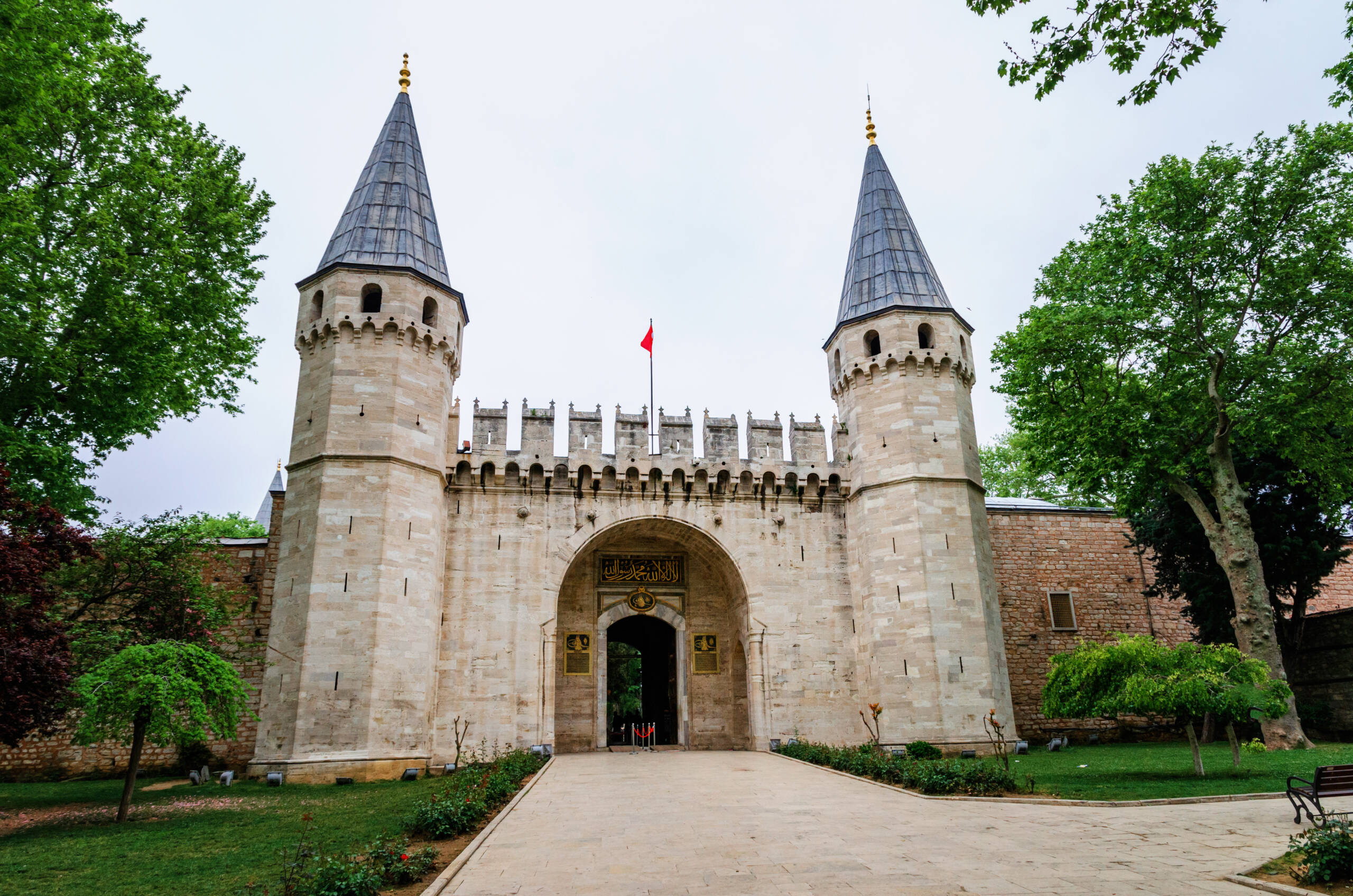
Topkapı Palace, constructed in 1478, served as the administrative, educational and residential center of the Ottoman Empire for nearly 400 years. It was not only the home of the sultans but also the place where key political decisions were made and the empire was governed.
Today, the palace is one of the most extensive palace-museum complexes in the world. Its collections include imperial treasures, religious relics, manuscripts, weapons and garments that offer insight into the life and power of the Ottoman court. With an archive of more than 300,000 documents, it stands as one of the richest historical repositories of its kind.
The Blue Mosque | Sultan Ahmed Mosque
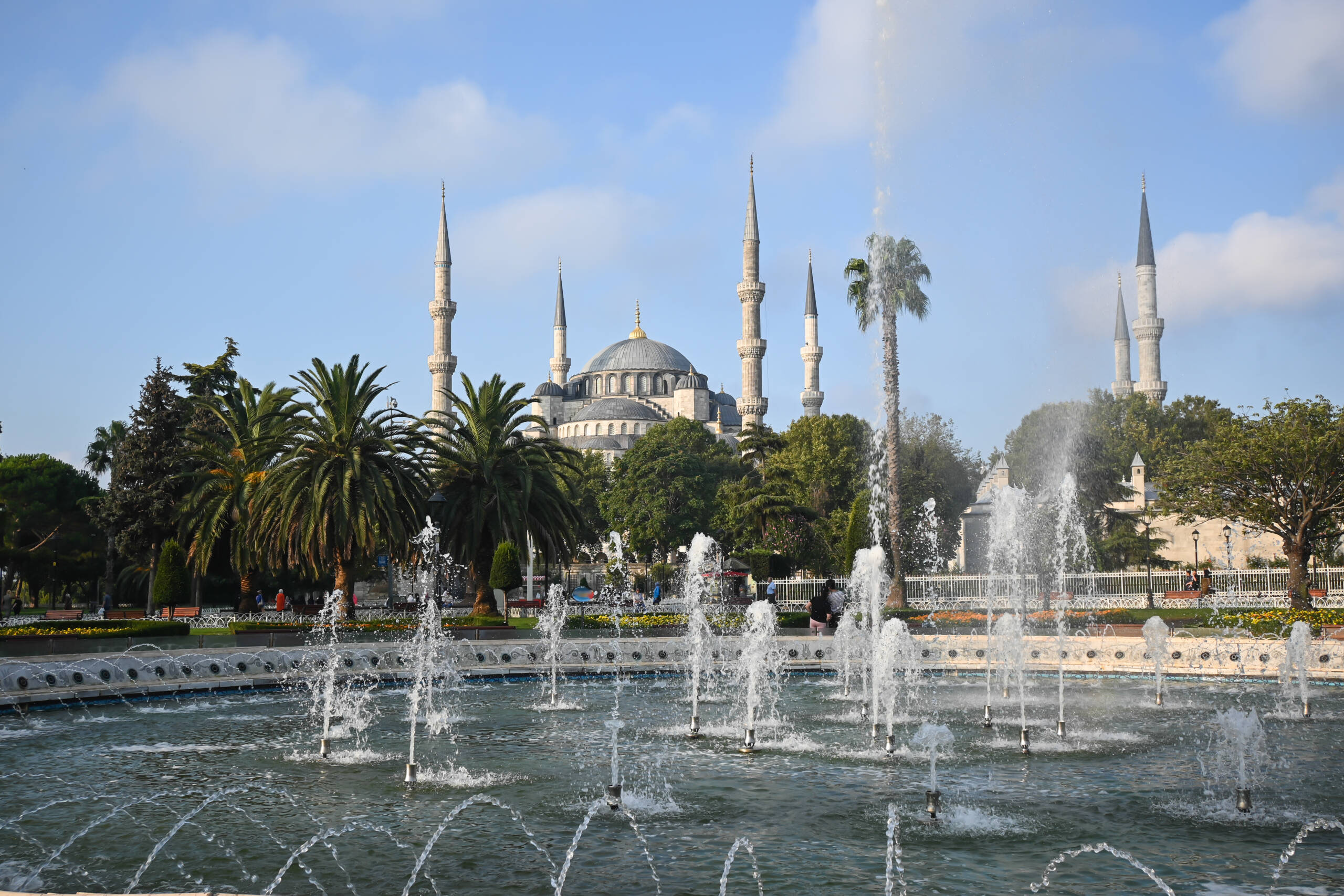
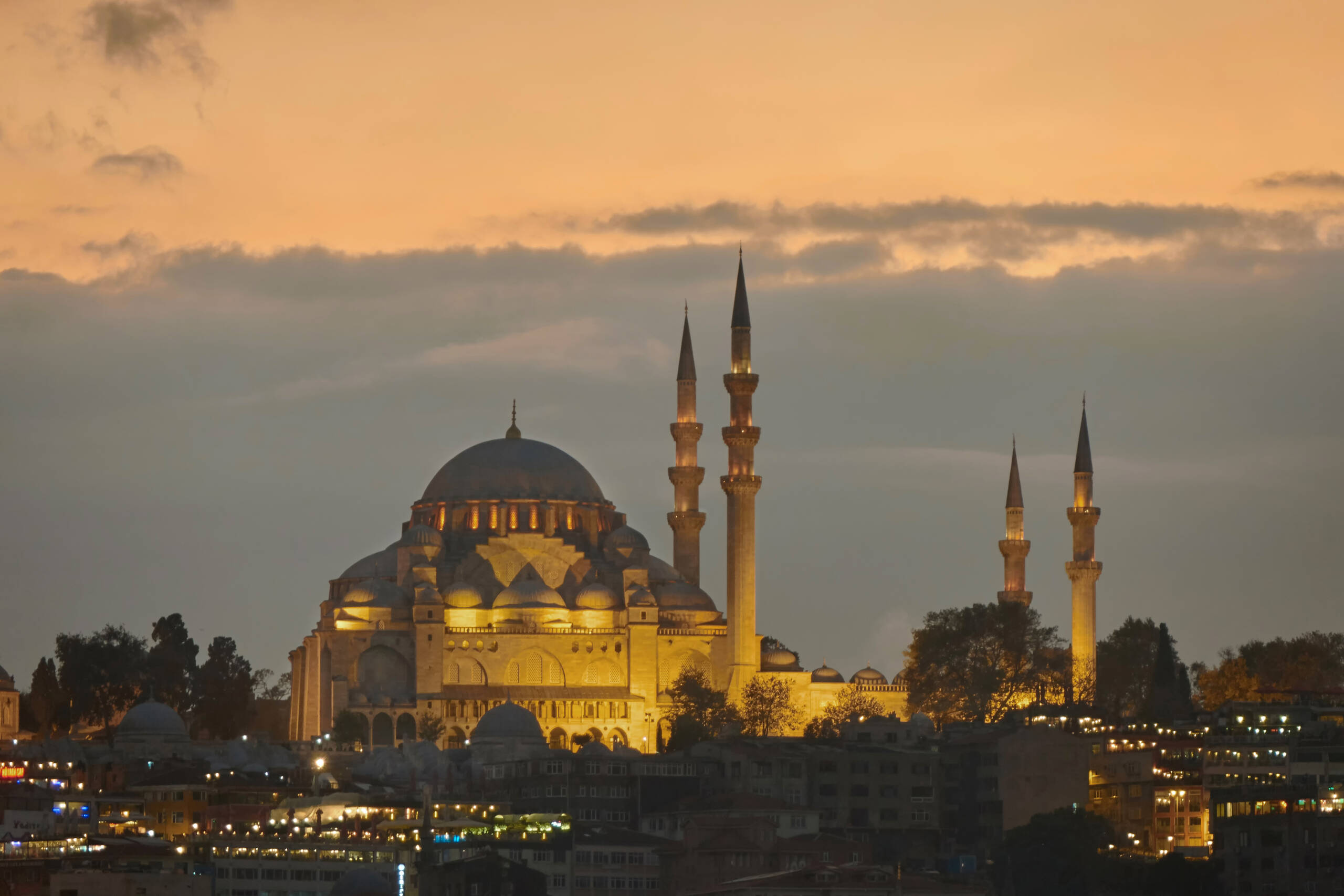
Constructed between 1609 and 1616 during the reign of Sultan Ahmed I, the Sultan Ahmed Mosque is one of the most remarkable examples of Ottoman religious architecture. Built as the primary imperial mosque of its time, it reflects both the political ambition and artistic vision of the Ottoman Empire.
The interior is decorated with more than 20,000 handmade İznik tiles, known for their intricate floral patterns and shades of blue, which give the mosque its popular name. With its six minarets, cascading domes and harmonious proportions, the structure represents a peak in classical Ottoman design. It remains an active place of worship and one of the most visited landmarks in the city.
The Basilica Cistern
Built during the reign of Emperor Justinian I, the Basilica Cistern is one of the most impressive examples of Byzantine engineering. Designed to store and supply water to the Great Palace and surrounding buildings, it reflects the advanced infrastructure of the time.
The cistern measures approximately 140 by 70 meters and is supported by 336 marble columns rising from the water. The atmosphere inside is both monumental and mysterious, enhanced by soft lighting and reflections. Among its most notable features are the Medusa head column bases, which remain one of the most intriguing elements of the structure.
Galata Tower
Galata Tower is one of Istanbul’s most recognizable landmarks and an important part of the city’s historical skyline. Originally built in the early Byzantine period and later reconstructed by the Genoese in the 14th century, it has served various functions including a watchtower, prison and observatory.
Standing at 66 meters, the tower offers panoramic views of the Golden Horn and the Bosphorus. Its presence reflects the city’s layered past, where different cultures and powers have left their mark over time.
Dolmabahçe and Beylerbeyi Palaces
Dolmabahçe and Beylerbeyi Palaces represent the later period of Ottoman architecture, when European influences became more visible in design and decoration. Located on opposite sides of the Bosphorus, they reflect the changing face of the empire in the 19th century.
Dolmabahçe Palace, completed in 1856, served as the main administrative center of the empire in its final years and later became the residence of Mustafa Kemal Atatürk. Beylerbeyi Palace, built as a summer residence and state guesthouse, is known for its refined interiors, including Baccarat chandeliers and Hereke carpets. Together, these palaces mark the transition from classical Ottoman traditions to a more modern architectural language.