
Istanbul has always been a city of connections. While the saying goes “all roads lead to Rome,” the Rome it refers to was once Constantinople. At the heart of this idea stands the Milion, the zero-mile marker of the Byzantine Empire, located near Hagia Sophia. From this point, distances to all major cities were measured, reinforcing Istanbul’s role as the center of a vast world.
Today, that legacy continues. Istanbul remains one of the most connected cities globally, offering a wide and efficient transportation network that links continents, districts and regions with ease.
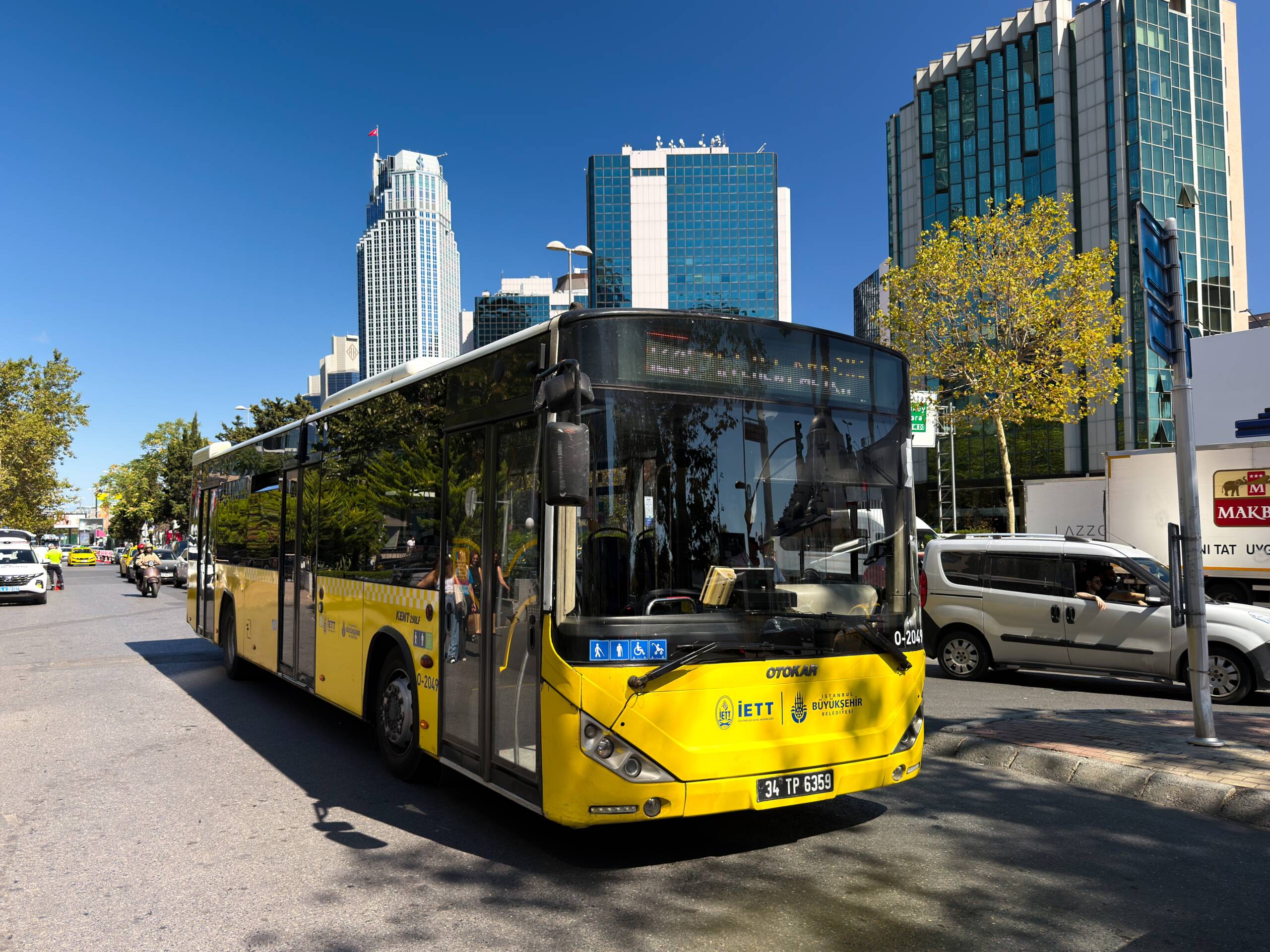
Modern Istanbul provides an extensive public transportation system including metro lines, trams, buses, Marmaray, Metrobus and ferries. The entire network can be accessed with a single contactless card, Istanbulkart, allowing seamless travel across the city.
Across Continents
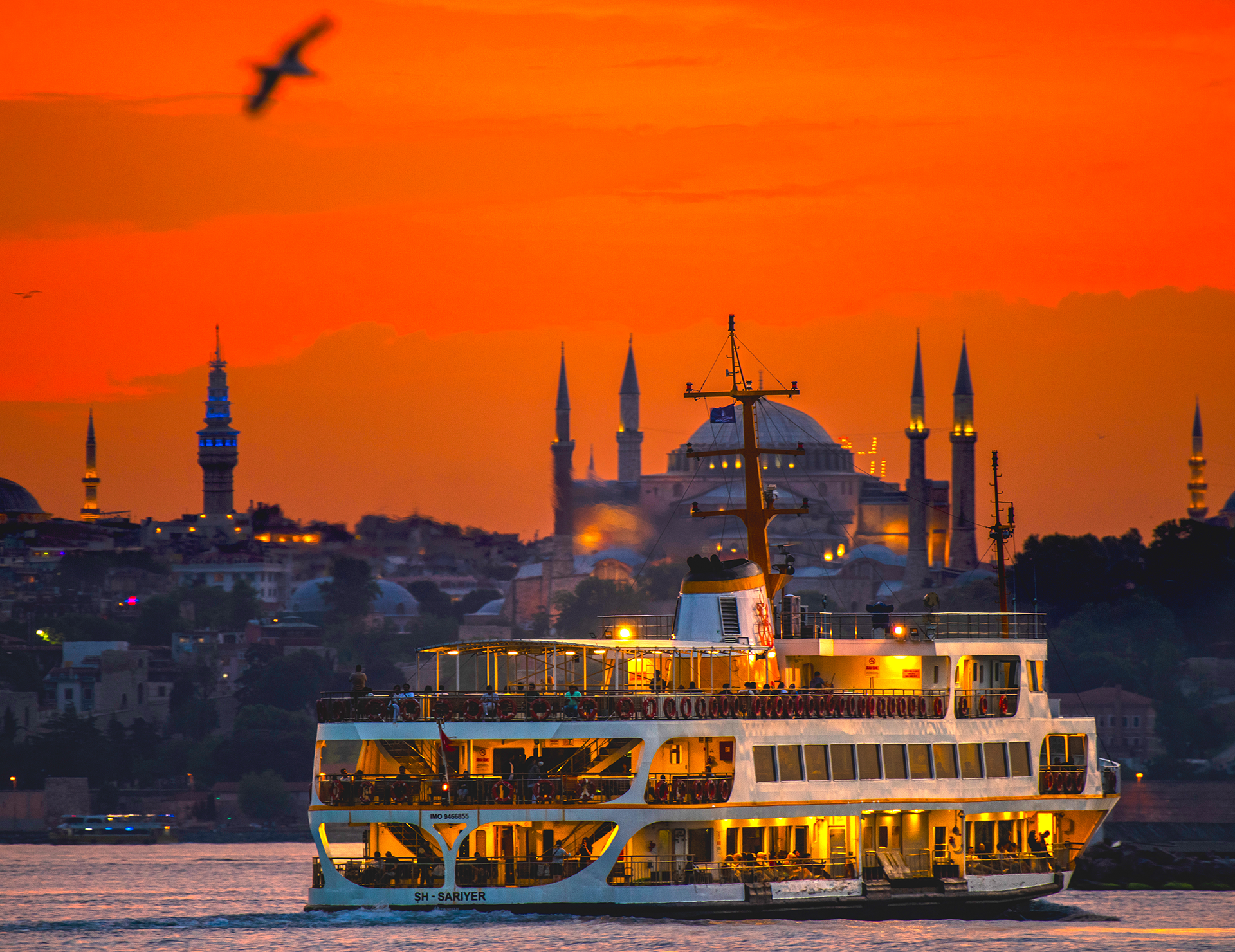
One of Istanbul’s defining experiences is travelling between Europe and Asia. While bridges, the Marmaray rail line and the Eurasia Tunnel provide fast connections, ferries remain the most distinctive way to cross the Bosphorus. Offering panoramic views of the city’s skyline, they turn daily transportation into a unique experience.
The Bosphorus itself is the lifeline of Istanbul. As a natural strait connecting the Black Sea to the Sea of Marmara and beyond to the Mediterranean, it is one of the world’s most significant waterways. For centuries, it has inspired artists, writers and travelers, and continues to define the city’s identity today.
Rail Systems and Urban Mobility
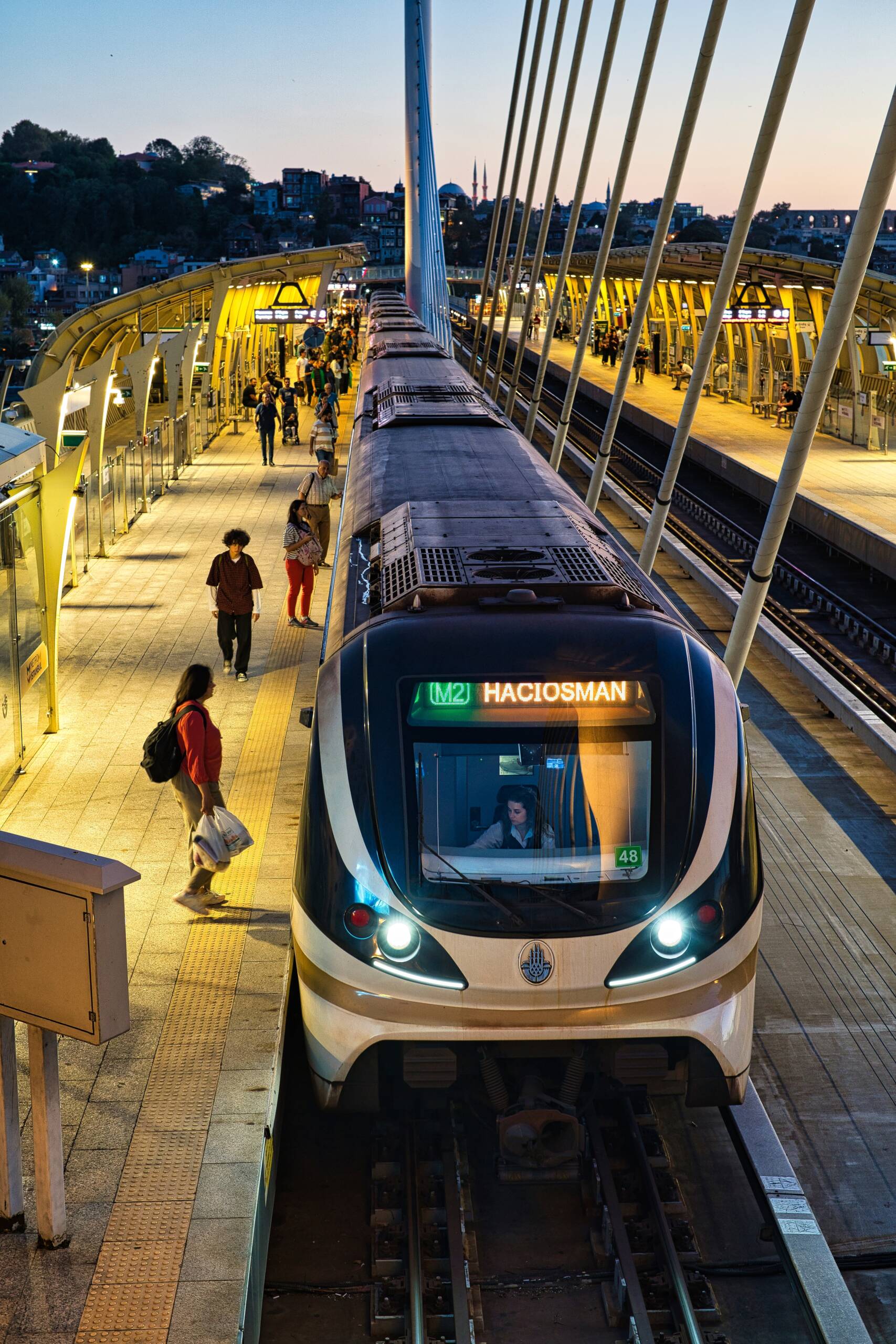
Rail transport forms the backbone of Istanbul’s urban mobility. Operated by Metro Istanbul, the network continues to expand rapidly, serving millions of passengers daily through metro, tram, light rail, funicular and cable car lines.
The city’s transport history is also reflected in its iconic systems. The historic Tunnel, connecting Karaköy and Galata, is one of the oldest underground railways in the world and remains in active use. The nostalgic tram on Istiklal Street stands as a symbol of the city, linking its past with the present.
Marmaray, the rail system passing beneath the Bosphorus, connects the European and Asian sides in minutes, representing one of the most important infrastructure projects in the city. Complementing this, Metrobus operates on dedicated lanes across major routes, offering a fast and efficient alternative to road traffic.